Fieldcraft
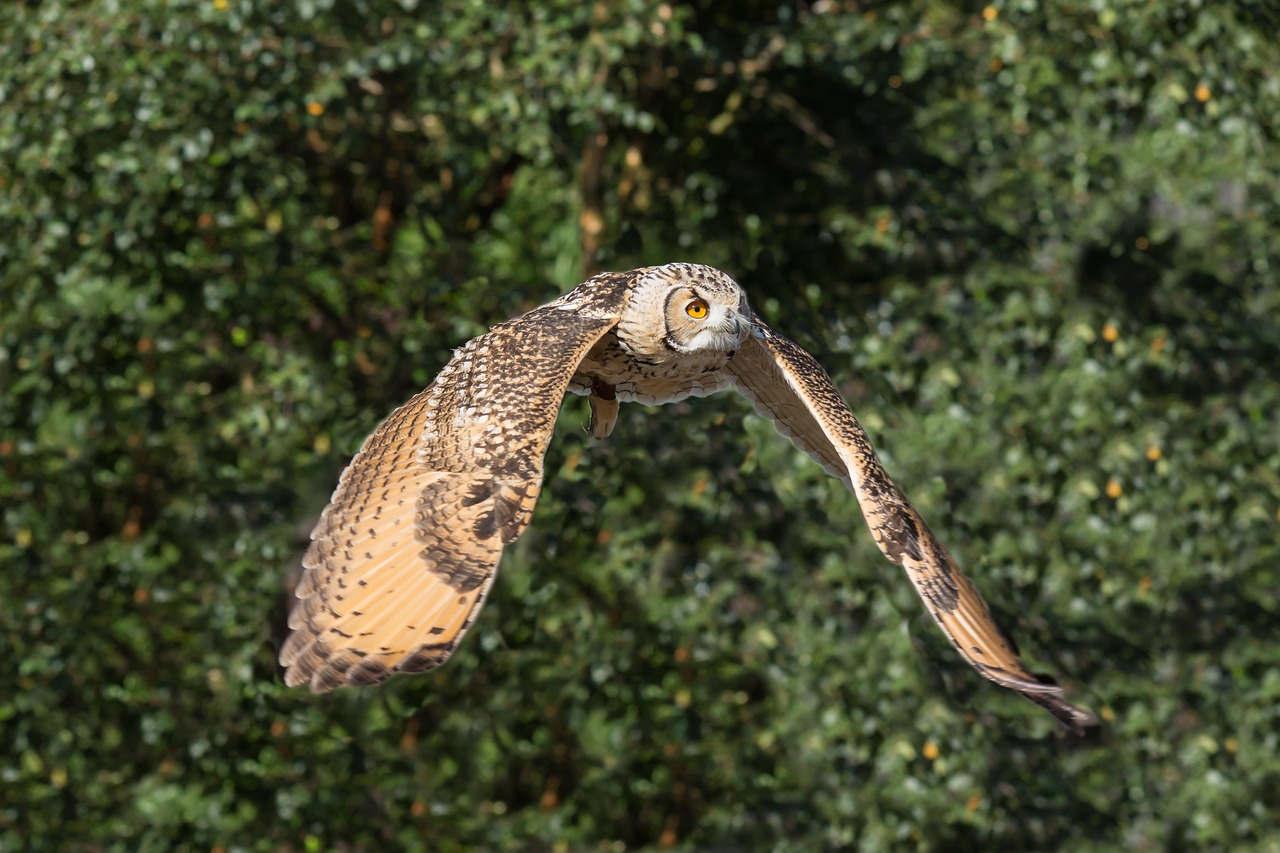
There is a particular kind of excitement that comes from finding a nightjar, an owl, or a roding woodcock in the dark. It is the thrill of the hidden made visible, and it can lead even experienced naturalists to do things they would never consider in daylight. But the animals we seek at night are among the most sensitive in our landscapes, and the techniques that get us close to them — playback, strong torches, repeated visits to a single site — can cause real harm if used without care. The ethics of night observation deserve more attention than they usually get.
The core principle is straightforward: the welfare of the bird comes before the quality of the observation. A nightjar that flies off its nest because of a torch is a nightjar that may lose its eggs to a predator, or spend precious energy it cannot spare. The sighting is not worth it. Most of the time, the most responsible thing you can do is stay still, stay quiet, and let the bird come to you, or simply listen and record without ever seeing the source.
Playback is the most contested tool in night birding. Used sparingly by researchers under permit, it can be a legitimate survey method. Used casually by birders, it can pull territorial males away from feeding or nesting, expose them to predators, and cause stress that accumulates over a season. My own rule is simple: I do not use playback for nightjars, owls, or any other nocturnal species. If I cannot find a bird without deceiving it, I do not find it. The listening is the point.
Torches require similar restraint. A brief, low-powered red light is usually acceptable for confirming an identification or navigating a path. A powerful white beam swept across a roosting bird is not. Learn to use your ears first, and treat light as a last resort rather than a default. If you do need to illuminate, keep it brief, keep it dim, and keep it red.
There is also the question of sites. Nocturnal birds are often faithful to particular territories, and a well-known nightjar site can attract a steady stream of visitors through the breeding season. If you visit a sensitive site, go rarely, go quietly, and avoid sharing precise locations publicly. A good night journal records what you heard and when, not a map that leads a crowd to a nesting pair.
Here is the hopeful part. Careful, ethical night journaling is itself a form of conservation. The records you keep — dates, conditions, species, behaviour — contribute to our understanding of birds that are genuinely under-studied. Nightjars, in particular, are difficult to survey and poorly documented in many areas. A patient observer who returns to the same site year after year and writes down what they hear is doing something quietly valuable, and doing it without disturbing the birds at all.
The best night journalers I know are also the most restrained. They watch from a distance, they listen more than they look, and they leave the night as they found it. That is the standard worth aiming for.
