Species Spotlight
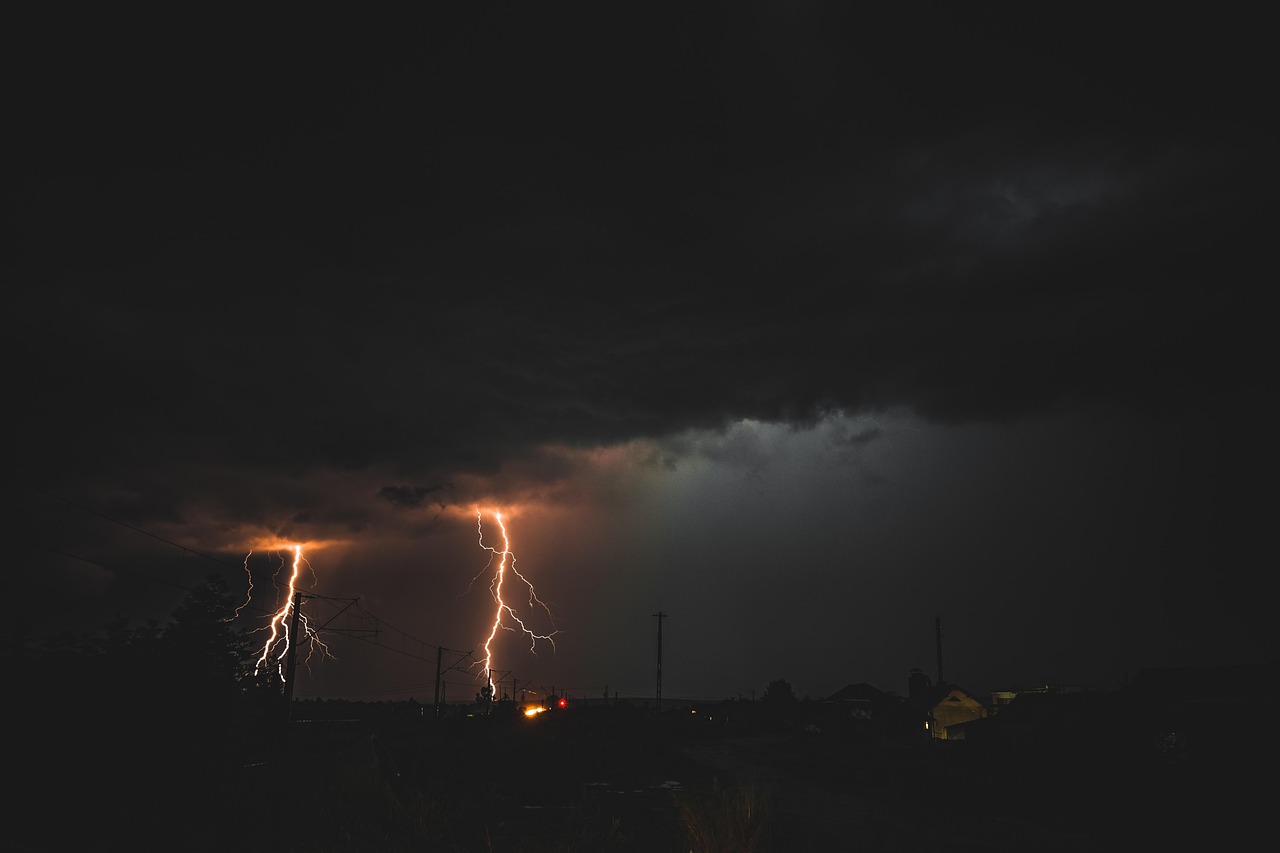
Night journalers tend to focus downward and outward — on the ground, the hedgerow, the sound coming from the dark. But the most important information of the evening is often directly overhead. Weather is not just background noise for a night observation session. It is one of the primary forces determining whether birds call, whether they fly, and whether you will hear anything at all. Learning to read the sky before you set out, and to note it carefully once you are there, will improve your fieldcraft more than almost any other single habit.
Start with the basics. Temperature, wind, cloud cover, and humidity all interact to shape a night's soundscape. A still, warm, humid evening after a hot day is often superb for insects, and where there are insects there are nightjars, bats, and owls hunting them. A cold, windy night suppresses almost everything. Rain is more complicated than beginners expect: light drizzle can be excellent, but heavy rain silences the night entirely.
Wind is the single biggest enemy of night listening. Even a moderate breeze through leaves creates a constant rustle that masks quiet calls, and it makes directional hearing almost impossible. On windy nights, look for sheltered spots — the lee side of a wood, a hollow, a valley floor — where the air is still and sound carries. Note in your journal where the calm pockets are at your regular sites, because they will be your best listening stations again and again.
Cloud is more subtle. A fully overcast night is darker, which is good for listening but bad for silhouettes. A partially cloudy night with a bright moon behind the clouds can be surprisingly good for watching, because the clouds diffuse the moonlight into a soft, even glow. And a clear, still night with a high moon is the classic condition for watching birds against the sky.
Humidity matters too. Damp air carries sound better than dry air, which is one reason why misty autumn mornings and dewy summer nights often feel acoustically rich. If you keep track of humidity alongside your species records, you may notice that your best listening nights cluster around damp, still conditions.
The practical takeaway is simple: record the weather in every entry, in as much detail as you can manage. Wind direction and strength, cloud type and coverage, temperature, whether the grass is wet, whether mist is forming. After a season or two, patterns will emerge that you could never have guessed at. You will learn which conditions bring out the nightjars, which nights are wasted, and which unlikely combination of wind and cloud produces the most magical hours in the field.
The sky is not scenery. It is the first page of every night journal entry, and it is worth reading carefully before you write a single word.
