Conservation
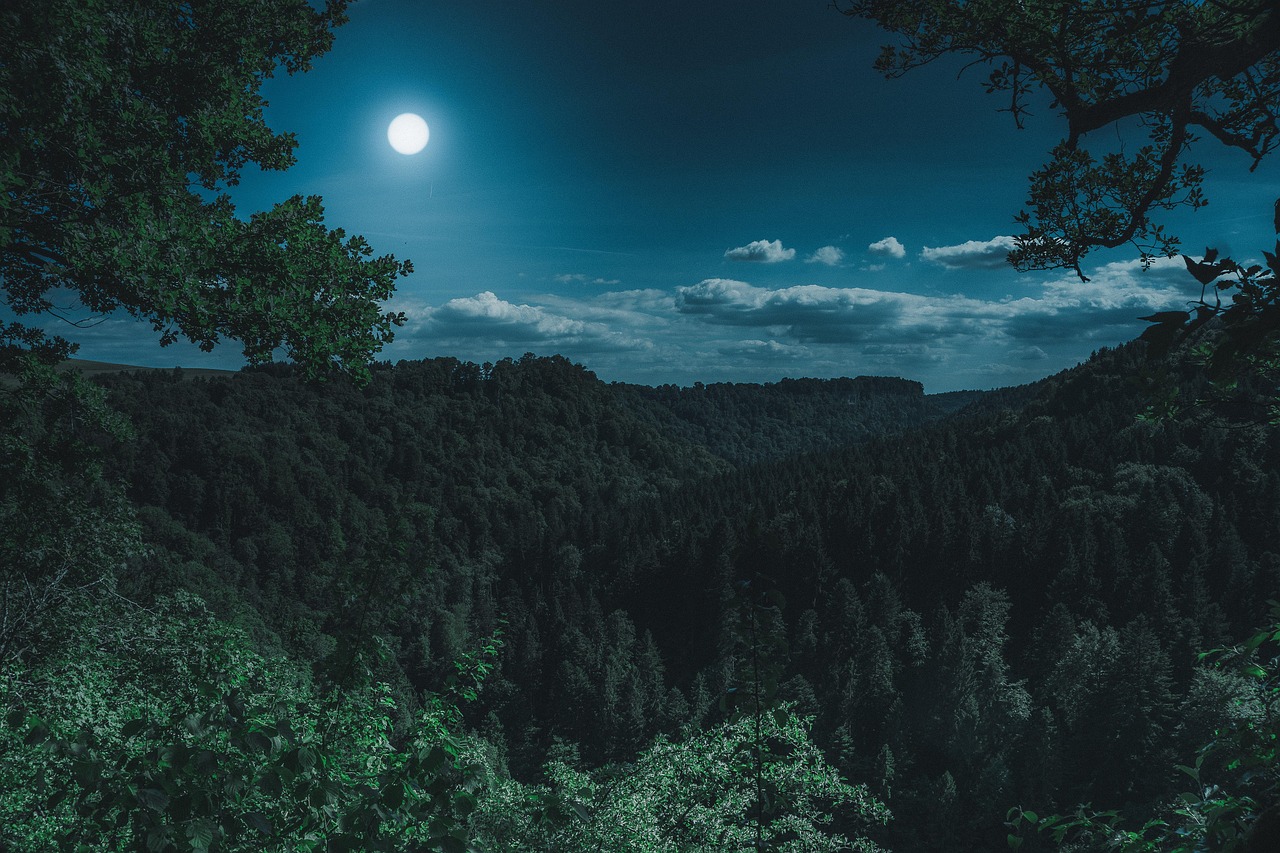
Most birders are visual creatures. We carry binoculars, we scan silhouettes, we chase colour and shape. But step outside an hour after sunset and all of that becomes nearly useless. The night shift asks something different of us: it asks us to listen, and to listen well. When I first started keeping a night journal, I filled pages with frustration — I could hear birds, but I could not name them, and I could not remember them long enough to look them up. The turning point was realising that night listening is a skill you build, like any other, and that it begins with silence.
Before you can hear the night, you have to stop making noise. That sounds obvious, but most of us arrive at a dusk spot still carrying the day with us — rustling jackets, crunching gravel, clicking camera dials. Give yourself ten minutes of complete stillness at your chosen spot. Let your breathing settle. Let the ringing in your ears fade. Only then does the soundscape begin to assemble itself around you, layer by layer: the drone of insects, the distant dog, the wind in the canopy, and somewhere beneath it all, the first bird.
The trick to identifying nocturnal and crepuscular birds by ear is to build a reference library in your head, one species at a time. Pick a single bird you can reliably hear near your home — a Song Thrush singing at dusk, a Tawny Owl calling from a churchyard, the mechanical churring of a nightjar if you are lucky enough to have one nearby. Listen to recordings of that species until you know it the way you know your own name. Then, and only then, add another. Trying to learn a dozen night calls at once is like trying to learn a language from a dictionary; you will retain nothing.
When you are in the field, resist the urge to identify instantly. Instead, describe what you hear in plain words in your journal: a rising whistle, a dry rattle, a repeated two-note phrase with a pause between. The act of describing forces you to listen more carefully than naming does, and your descriptions become a personal catalogue you can match against recordings later.
A modest audio recorder — even a phone with a decent microphone — changes everything. Night sounds are ephemeral, and memory is a poor archivist. Record short clips of anything unfamiliar, then review them in daylight with a field guide or an online sound archive beside you. Over a season, these clips become a treasure: a log of what was calling, when, and in what weather. I have recordings from a single hedgerow that now tell a story of returning swifts in May, churring nightjars in June, and the sudden quiet of August when the birds fall silent and the crickets take over.
Listening in the dark is not a passive act. It is a practice, and like any practice it rewards patience over intensity. Go out often, go out quietly, and let the night teach you its vocabulary one call at a time.
