Journaling
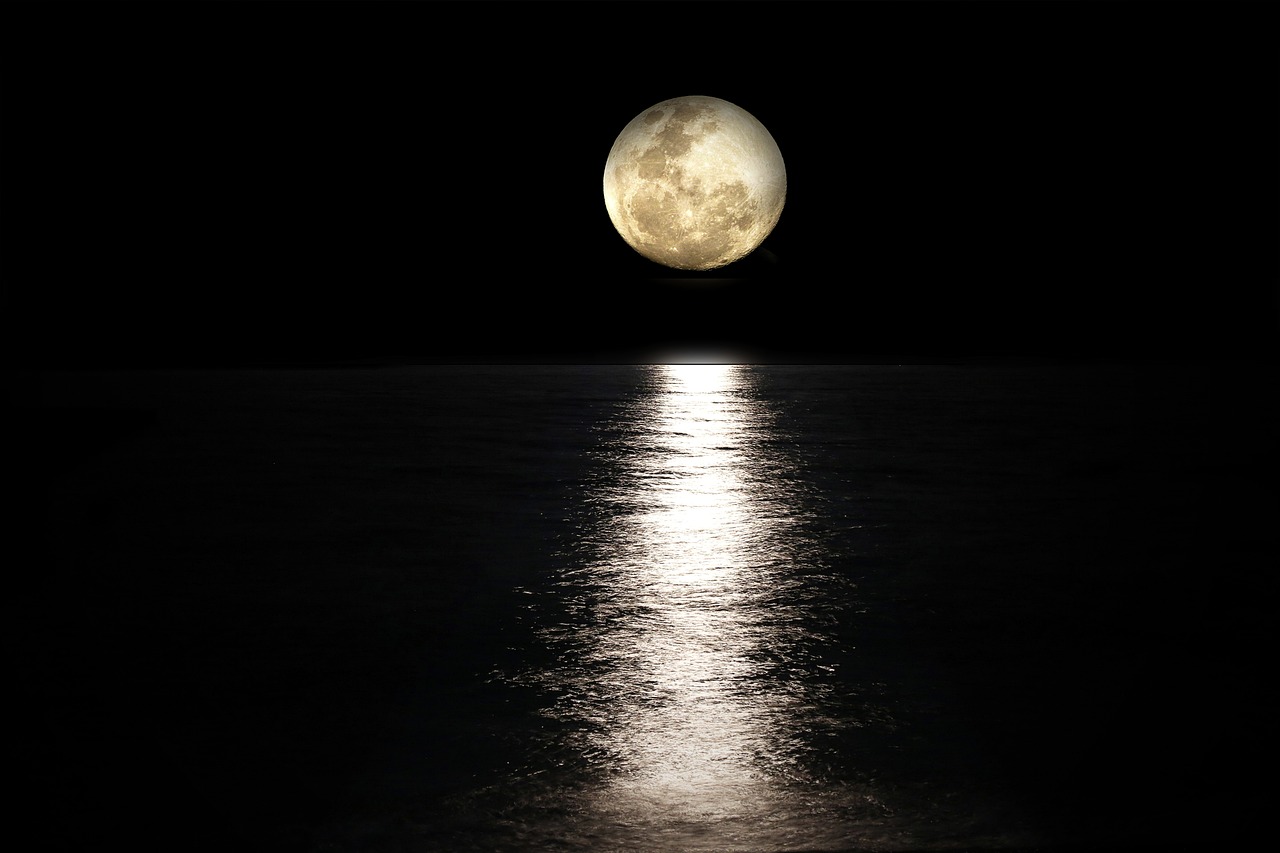
When I first began keeping a night journal, I recorded the obvious things: date, time, location, species heard. It took a full year before I noticed that my most productive nights shared a common feature, and it was not the weather or the season. It was the moon. Nights around the full moon gave me silhouettes, visibility, and a strange, silvery clarity. Nights around the new moon gave me darkness so complete that I relied entirely on sound. Both were valuable, but they were valuable in completely different ways, and learning to plan around the lunar cycle made me a far more effective observer.
Start by noting the moon phase in every journal entry. Even a simple symbol — a circle for full, a crescent for waxing, a dot for new — will, after a few months, reveal patterns you would otherwise miss. You may find, as I did, that certain species call more readily under bright moonlight, or that your own ability to detect movement improves dramatically when the moon is high.
A full moon is the night journaler's floodlight. For a few nights either side of it, you can walk familiar paths without a torch, watch bats against the sky, and catch the pale shape of a nightjar gliding between treetops. It is also the best time to practise silhouette identification, because backlit birds against a bright sky reveal their flight style — the flutter, the glide, the sudden turn — in a way that total darkness never will. The trade-off is that many nocturnal birds are warier under bright light, and some species call less when the moon is up.
The new moon offers the opposite gift. With no moon, the night becomes a pure listening environment. There is nothing to see, so you stop trying, and your ears take over completely. I have had my finest encounters with churring nightjars on pitch-black nights, when the only evidence of the bird was a sound coming from somewhere in the heather, impossibly close and impossibly invisible. Bring a red-light torch for safety, keep it off whenever you can, and let the darkness do its work.
If you keep a night journal for long enough, you will start to plan your outings around the moon without thinking about it. I now schedule my silhouette-watching sessions for the week around full moon and my listening sessions for the dark of the moon. I also note the moon's position — low on the horizon, high overhead, hidden behind cloud — because a moon that rises late leaves the early evening dark, and that changes which birds are active when.
None of this requires equipment. A lunar calendar, a notebook, and a willingness to go out on nights you might otherwise have stayed in are enough. The moon is not just scenery for the night journaler. It is a scheduling tool, a lighting rig, and a quiet collaborator in everything you record.
